
5 + 1 Cool Chemistry Fields for the Budding Scientist
Have you ever wondered what potential careers studying chemistry can lead to? Is there a chemistry enthusiast in your life who is a little stuck figuring out a future path outside of research and lab work? Worry not; in this post, we’ll discuss some of the diverse fields and specialisations that someone considering further studies in chemistry might choose to focus on and perhaps build a fulfilling career and lasting legacy in.
It goes without saying that taking Chemistry in JC opens up far more possibilities and potential majors than just pure or applied chemistry; other than directly related fields like chemical engineering and pharmacology, a good pass in Chemistry is a basic requirement for medicine and dentistry, and may be considered for admission to most science and engineering-related courses, including computer engineering, environmental science, and even architecture.
Furthermore, the higher-order thinking and problem-solving skills honed in Chemistry and other science and math subjects are also useful in other disciplines; a great many students who were in the Science stream in JC go on to flourish in business, arts and humanities or even design, and build successful careers outside of science and engineering.
It’s always best to take your time to research the potential majors and careers you may be interested in, and whenever possible hear the perspectives from students and educators at the universities or institutions you may be considering. You may even be able to discover new paths and possibilities that you might have never considered before.
But before you go on reading… You might want to download a pdf copy of this article as it is quite long!
Click the ‘Download’ button, enter your email, and the pdf file will be delivered to your inbox! (Remember to check spam!)
Medicinal or Pharmaceutical Chemistry
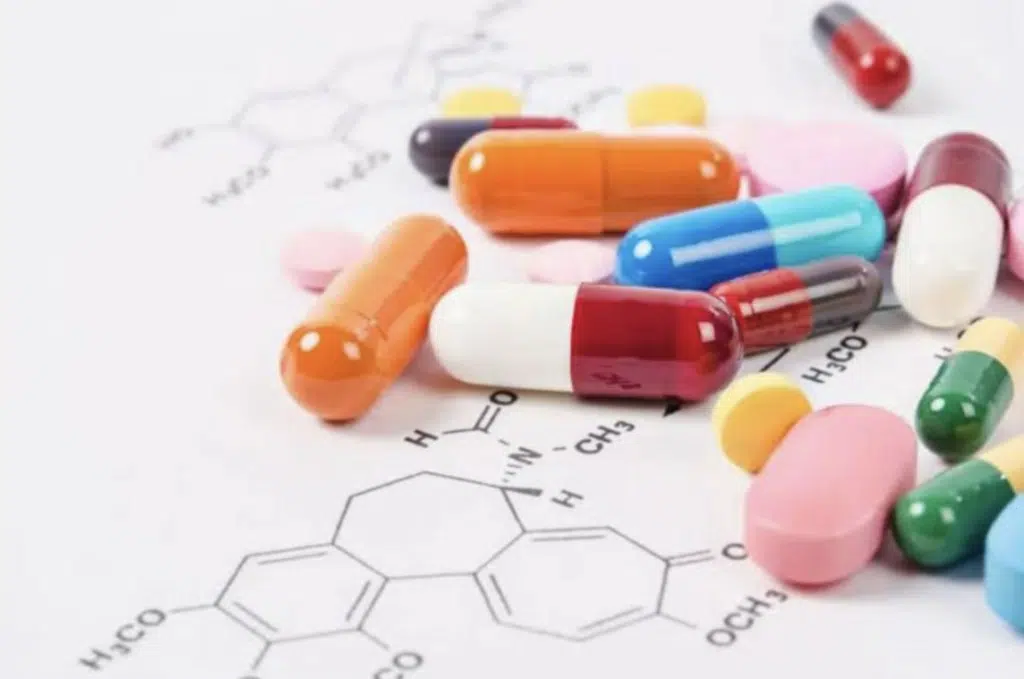
This discipline of chemistry is all about the discovery, design and development of drug molecules for medicinal use. Medicinal chemists study medicinal compounds of natural and synthetic origin, investigate how their structures affect their interactions with receptors and their biological activity, and determine how drug molecules are absorbed, transported and eventually metabolised in the human body.
They use these findings to create molecules with the desired therapeutic effects, while optimising their potency, selectiveness and safety, as well as designing targeted delivery methods to specific organs or tissues to reduce unwanted side effects.
Experts trained in medicinal chemistry are highly sought after, as demand for newer and more effective drugs continues to increase with longer lifespans and improved medical technology. Furthermore, in recent decades there has been increased interest in natural treatments and traditional medicine, which has directed chemists to investigate the medicinal plants and herbs traditionally used as folk remedies for bioactive compounds that may be further developed into nature-inspired drugs that not only have potent therapeutic effects, but are also safe and produce few side effects.

Medicinal chemists differ from pharmacists in that they study medicinal compounds on a molecular level, and focus on the synthesis, characterization and design of drug molecules. On the other hand, pharmacists are healthcare professionals who use their knowledge of pharmacology to advise patients on the appropriate type and dosage of medications for their condition, based on their medical history and potential side effects.
In the drug discovery process, medicinal chemists work upstream where potential compounds with therapeutic effects are identified and synthesized, while pharmacists work closer downstream where they dispense the completed drug to patients in the appropriate form and dosage, and inform them on how best to consume the drug.
Material Science and Nanotechnology
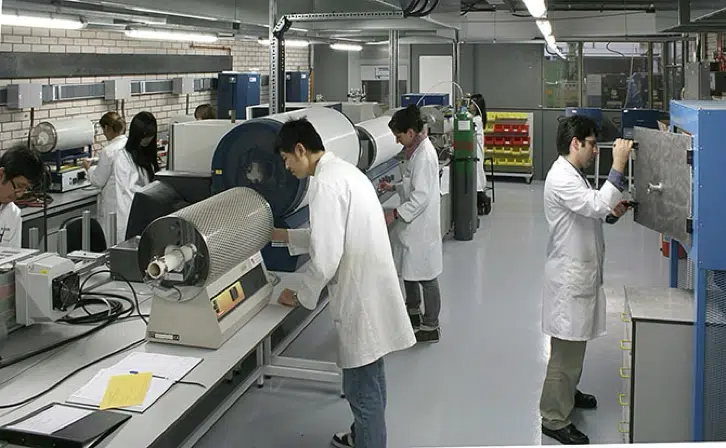
Material science is an interdisciplinary field that combines knowledge of chemistry with physics, biology and engineering to research, characterize and develop materials for various uses. Material scientists and engineers are often concerned with investigating the atomic and molecular structures of solid-state materials, and how they affect the macroscopic properties and potential uses of the material.
The discovery of new materials leads to technological improvements and breakthroughs, which means that experts in material science are sought after in many high-tech fields. They might work on materials with biological applications, such as synthetic heart valves or blood vessels, or electronic applications, such as semiconductors, liquid crystals or microscopic LED systems, or energy applications, such as fuel cells and batteries, among many other possibilities.

Within materials science and engineering, a rapidly growing specialisation is in nanotechnology, which deals with matter at nanoscale, which is between 1 to 100 nanometres in length. The potential applications of nanomaterials are vast: from highly targeted drug delivery systems that can be attached to individual molecules, to nanofilms that have the potential to make more efficient and cost-effective solar panels, to carbon nanotubes which have many uses, including in highly adhesive and durable “gecko tape”, advanced medical devices, and as scaffolds for tissue growth.
Analytical Chemistry
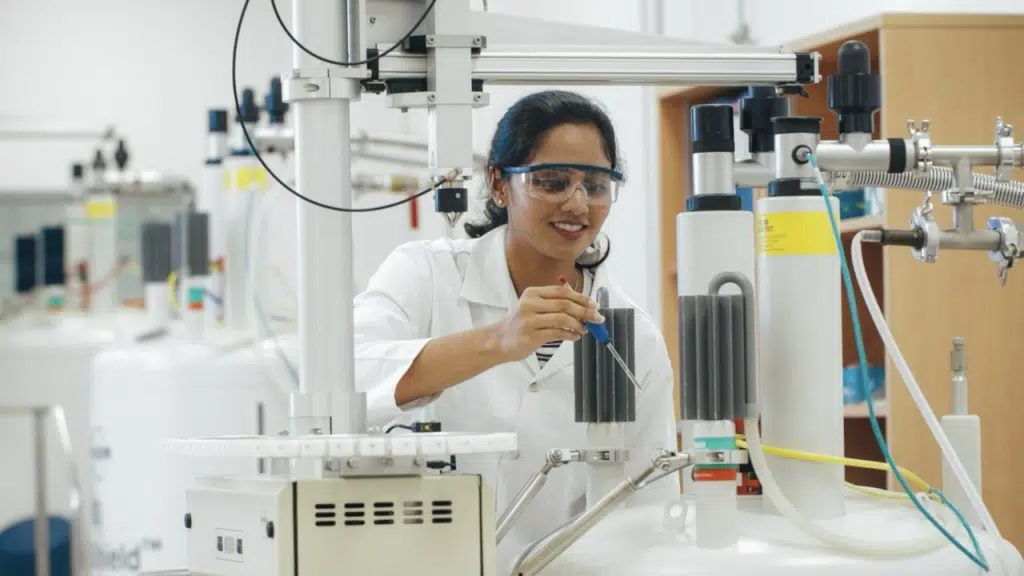
Analytical chemists use various equipment, machines and techniques to separate, identify and quantify the composition and structure of matter – in other words, they figure out what makes up the things around us, and by how much. They collect and perform tests on samples, perform separation techniques, validate and verify results through calibration and standardisation, and interpret data to identify different components.
Analytical chemists are needed in all aspects of chemical research, whether it is in industry, academia, or government organisations. They ensure that food, water and pharmaceuticals safe to consume, check that commercial products meet health and quality standards and regulations, help to diagnose diseases in hospitals, aid in forensic analysis and provide important documentation that is required for international trade.

Modern research laboratories make use of sophisticated tools and instruments to separate and characterise samples, so analytical chemists who are trained not only to use and interpret data from such equipment, but also maintain and troubleshoot them when necessary, are highly valued by potential employers.
Environmental Chemistry and Green Chemistry
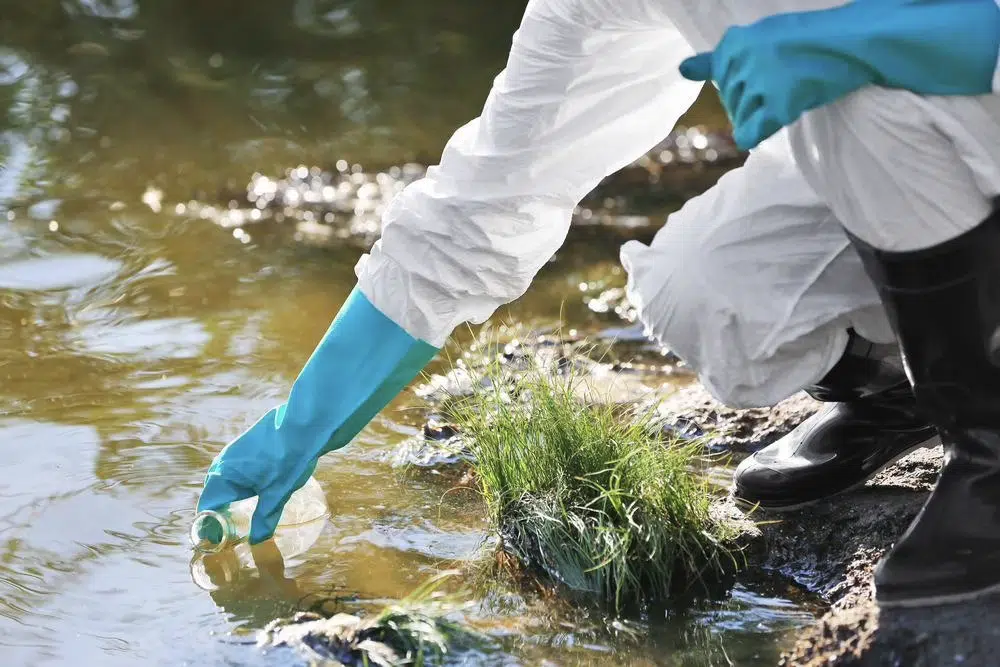
Worried about how industrial waste and gas emissions are harming our planet? Always wanted to know how scientists track the effects of human activity on the climate and water levels? If so, environmental chemistry may be the field for you; it is the study of chemical processes and interactions in the environment, including the air, water and soil, and how human and biological activities affect them.
By studying the chemical reactions and cycles that occur in uncontaminated environments and comparing them with samples collected from various locations, environmental scientists can better understand and identify the nature and source of pollutants from human activities, and make suggestions to government bodies and industry leaders to reduce them.
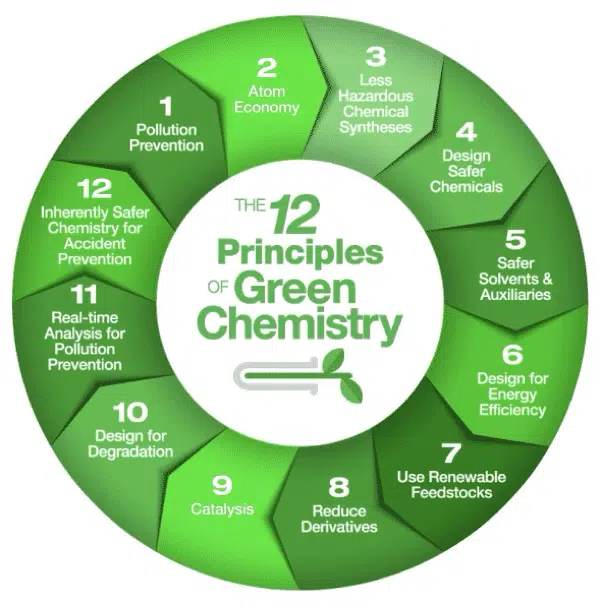
Green chemistry is a related field with similar goals, but taking a different approach: it aims to cut waste and pollution from the source by designing chemical products and processes that reduce or even eliminate the use of hazardous substances in the chemical industry. It seeks to integrate principles of sustainability into the entire life cycle of a product, from its design to its production and disposal.
Some ways in which green chemistry is being adopted in various industries include designing products that eventually break down into harmless substances (e.g. biodegradable materials), developing and using catalysts instead of excess reagents to make production more efficient and less wasteful, and making use of green solvents that can be recycled or can be disposed of without harming the environment. Scientists have also been looking into bioengineering as a technique for achieving green chemistry goals – for example, genetically modifying bacteria to produce certain molecules instead of using synthetic methods.
Industrial Chemistry

Industrial chemistry is an umbrella term for the application of physical and chemical processes in developing and manufacturing consumer products on a large scale. Industrial chemists are involved in almost every step of delivering a chemical product to mass market, from research and development, to quality control and stability trials, to mass production and distribution.
They work closely with chemical engineers to optimise the production process, and in addition to being experts in chemistry, are also equipped with the necessary technical and mathematical knowledge to support the daily operations of a chemical plant and communicate with other professionals in the industry.
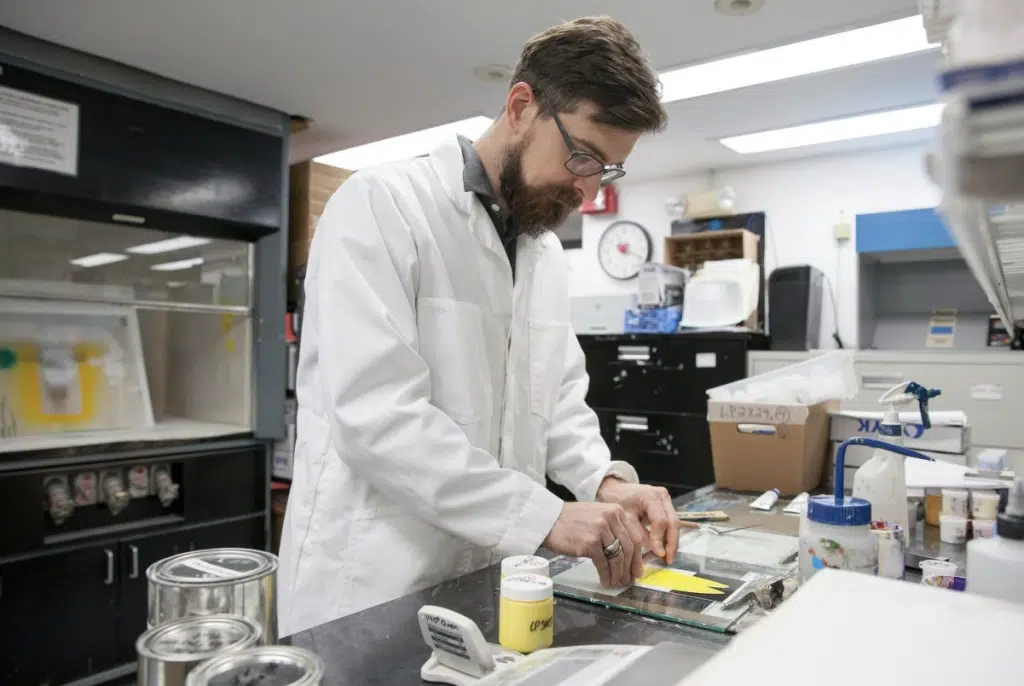
Industrial chemists are needed wherever goods are manufactured, and their job scopes and specialisations will vary widely depending on what type of products they work with. For example, a chemist in flavour and fragrance industry may isolate and identify the compounds that are responsible for certain scents in nature order to recreate them in cosmetic or food products, while a chemist in the plastics industry might characterise polymers and modify the monomers and reaction conditions in order to obtain materials with desirable properties for specific uses.
Industrial chemists play an important role in finding useful and practical applications for the latest discoveries in chemistry, and making them accessible to the entire world through trade and commerce.
The next specialisation on this list is a “bonus”, as it is an interdisciplinary mix of chemistry and biology that is often considered a field of its own.
Food Science

Are you the kind of person who doesn’t eat to live, but lives to eat? Do you enjoy keeping up with the latest food trends, or learning about nutrition and food production?
You might want to consider studying food science and technology, a field of study that lies at the intersection of chemistry, biology, engineering, agriculture and nutrition in order to study the composition of our food and use that knowledge to improve its quality, accessibility and safety.
Food scientists learn about all aspects of food production, including where and how it is grown, processing and packaging methods, the precautions that are required when storing and transporting food, and how it is consumed to nourish the human body. They also research methods to alter the properties of food, such as its texture, moisture level, appearance and amount of nutrition and apply them to meet varying needs and market trends.
In addition, they also carry out sensory studies to investigate how people react to, taste and interact with food; key information that must be taken into consideration before launching a food product on the market.
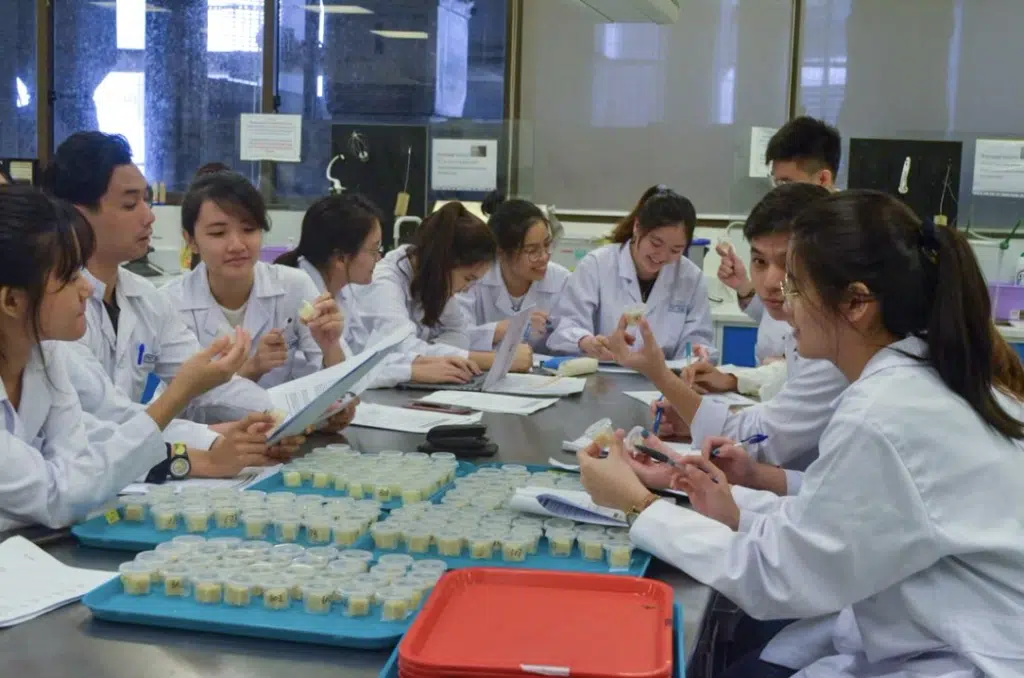
In our food paradise that is Singapore, food science is a highly popular degree option for Chemistry and Biology students, leading to many possible career options and research topics to explore. Some alumni have also applied their expertise to develop their own innovative food products and launch their own businesses. One thing is for certain – food science is always exciting explore and learn about to people both inside and outside the field.
Hopefully you now have a better idea of what exactly chemistry graduates might study, and how professional chemists might apply their knowledge in industry, academia or government agencies. No matter what your interests may be, it is important to research all possible options after graduating JC or poly and keep an open mind.
Try making some time to visit open houses at universities and attend alumni talks from professionals in different fields, and don’t be shy to ask questions; they are always excited to hear from young people with an interest in what they do.
Find out more by joining us at Science of Studying!
Prepared by: Nadine
A little more about ourselves…
The Science of Studying provides live online tuition via Zoom classes for Combined Chemistry, Combined Biology, Pure Chemistry, Pure Biology, JC Chemistry and JC Biology. To date, we have taught more than 800 students over 12 years. For more information on tuition classes, please click on one of the following links:
In case you are wondering, yes – there is a science behind studying! At Science of Studying, we use our SOS system™️ to teach our classes so that even last-minute students can see remarkable improvements in their grades – without mind-numbing memorisation of textbooks and without the drudgery of doing numerous assessment books.
The SOS system™️ guides students through an effective process of:
- Understanding key concepts
- Applying the concepts through smart, targeted practice.
- Learning to avoid common ‘traps’ set by examiners
- Learning exam-smart answering techniques for each topic
- Overcoming tricky exam questions
All these conducted in a fun, interactive, stress-free online environment.
If you need help with your Chemistry and Biology subjects, do reach out to us and we will see what we can do to help.
Website: https://thescienceofstudying.com/
Admin number: +65 88082348